If you are running a Shopify apparel store in 2026, you are in one of the most competitive categories in e-commerce.
Trends move fast, margins are tight, and customers have endless choices. This makes retention your biggest lever for profitable growth.
Instead of constantly chasing new customers, successful apparel brands focus on building systems that bring shoppers back again and again.
To make this practical, let’s walk through each strategy using a consistent scenario: a growing Shopify apparel store selling streetwear, basics, and seasonal drops.
1. Build a Loyalty Program That Keeps Customers Engaged
A loyalty program should feel like part of your brand, not just a discount tool.
For an apparel store, this means rewarding more than purchases:
- Points for buying items
- Rewards for posting outfits and tagging your brand
- Referral bonuses for bringing friends
- Birthday perks or early access to new collections
You can also introduce tiers:
- Entry level with basic rewards
- Mid tier with early access to drops
- VIP tier with exclusive items or perks
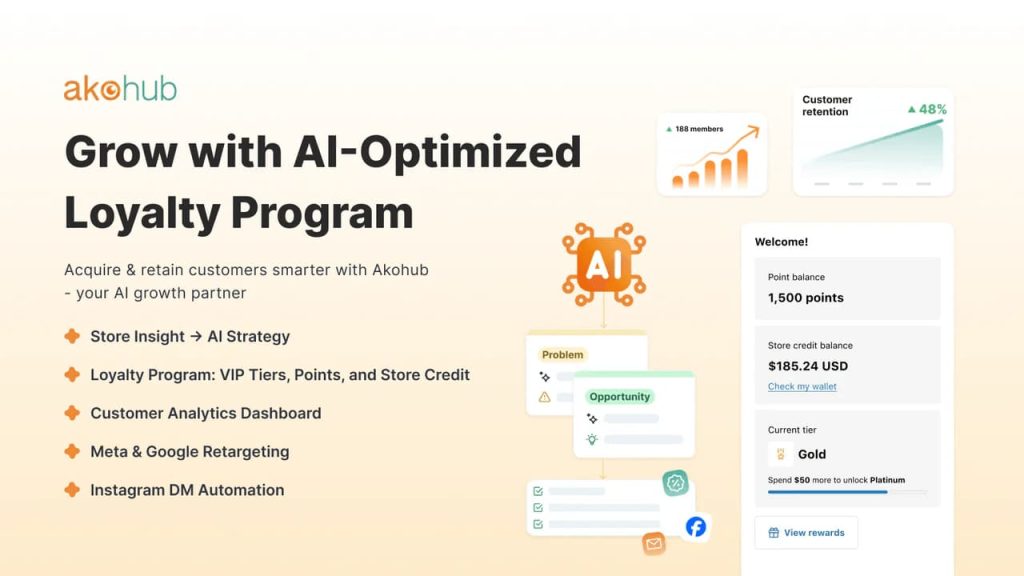
Using tools like Akohub, you can go beyond static rewards by identifying high-value customers and tailoring behaviour-based incentives.
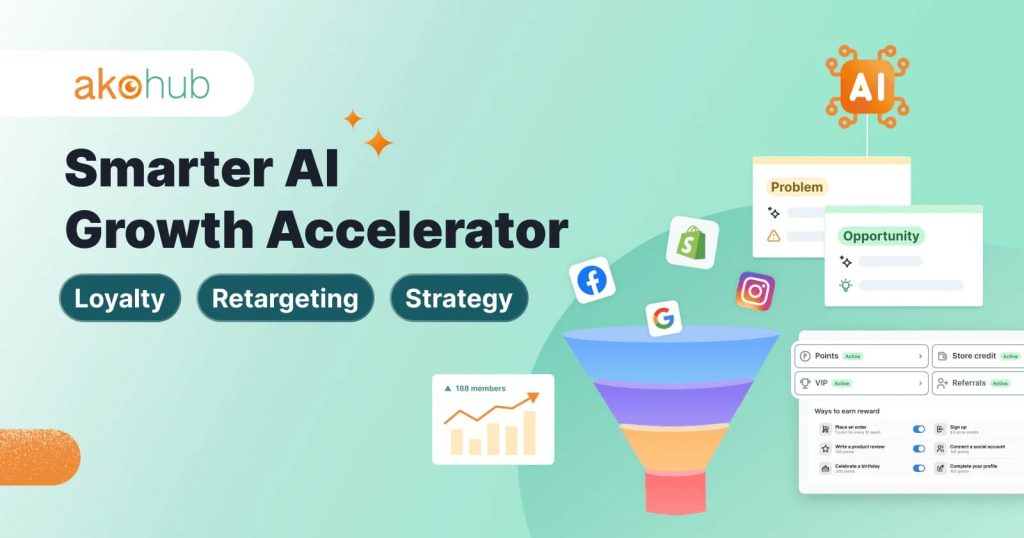
Other apps like Smile.io and LoyaltyLion can help structure tiered programs, but the key is making customers feel like they are progressing and unlocking value over time.

2. Identify When Customers Are About to Churn
In apparel, repeat purchases often follow a pattern.
For example, many customers come back within 30 to 60 days for a second purchase. If they do not, the chances that their churn will increase.
Instead of waiting, you can act early:
- Send a personalized email when they become inactive
- Recommend products similar to what they bought
- Offer a limited-time incentive
With Akohub, you can detect these drop-off points automatically and trigger retention marketing campaigns.
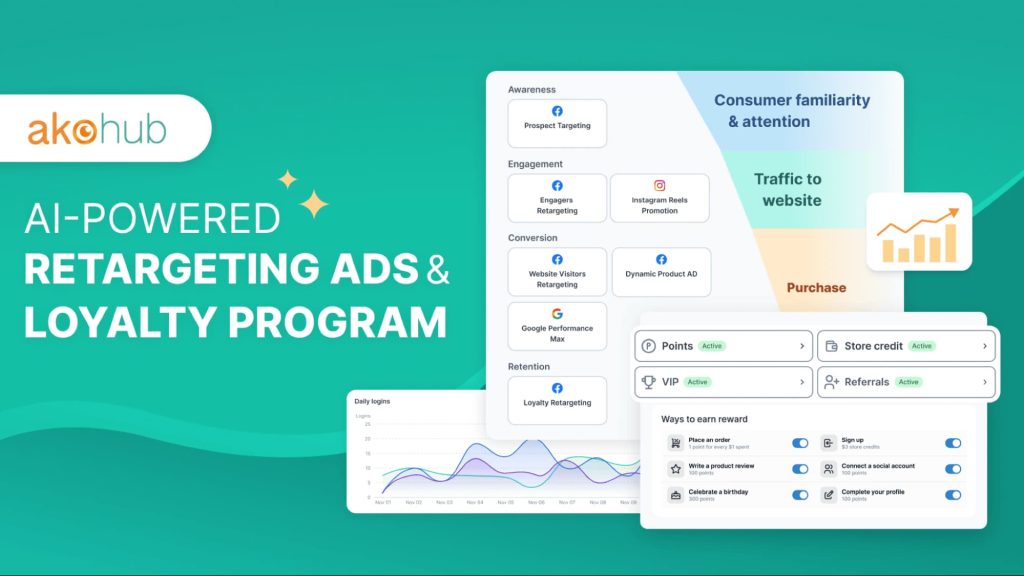
You can also use Retainful to segment customers who have not purchased within a certain timeframe and target them with win-back flows.
This approach helps you recover customers before they disappear.
3. Automate Email and SMS Across the Full Journey
Retention depends heavily on consistent communication.
A strong lifecycle flow for an apparel store might look like this:
After a customer buys a hoodie:
- Day 1: Thank you email and brand story
- Day 3: Styling ideas for the hoodie
- Day 7: Suggestions for matching items
- Day 14: Discount email for the next purchase
Using Retainful, you can include a next-order coupon immediately after checkout to drive repeat purchases.
Meanwhile,Postscript helps with SMS reminders for product drops and restocks.
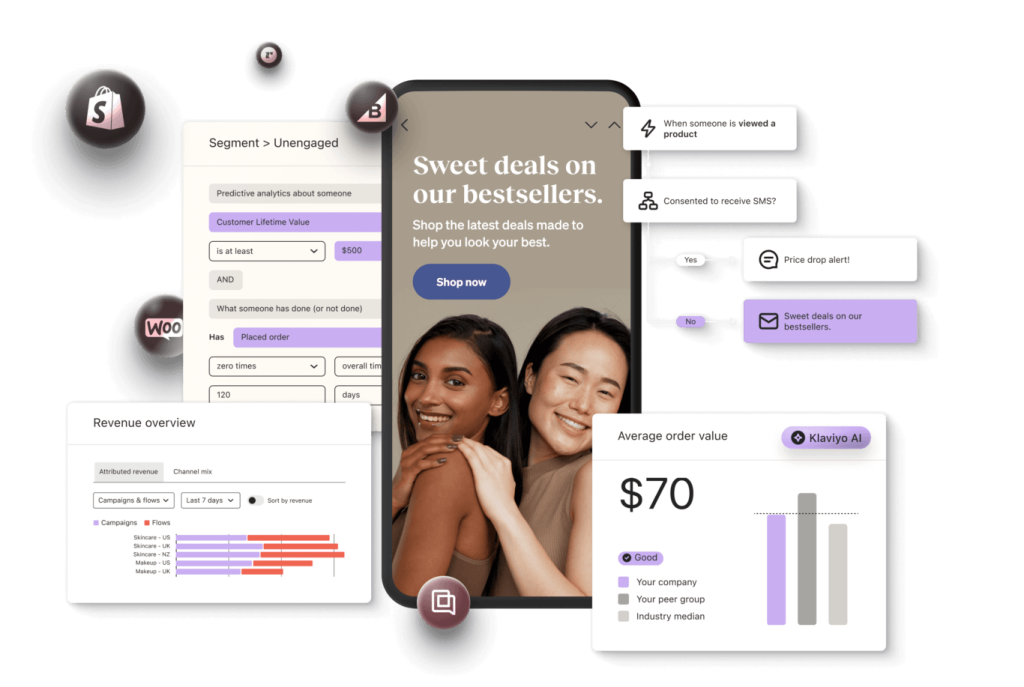
The key is relevance. Every message should feel helpful, not pushy.
4. Turn the Post-Purchase Experience Into a Second Sale
Most apparel stores focus on getting the first purchase but do not guide customers toward the second.
The post-purchase moment is the perfect time to do this.
For example:
- A customer buys a t-shirt
- The thank-you page shows matching pants or jackets
- A follow-up email suggests a full outfit
- A bundle discount encourages completing the look and increasing the Average Order Value.
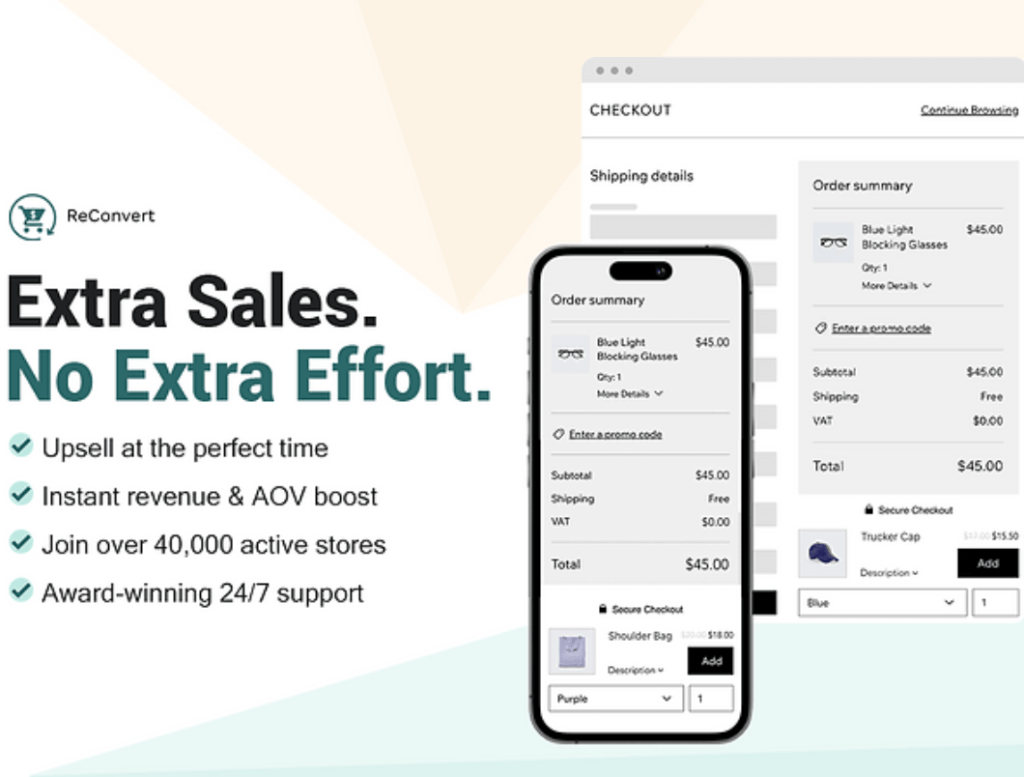
Apps like ReConvert and AfterSell allow you to add upsells directly after checkout.
You can also invite customers to join your loyalty program right after purchase using Akohub, reinforcing engagement immediately.
5. Experiment With Subscription-Like Experiences
Traditional subscriptions are harder in apparel, but that does not mean they are impossible.
You can adapt the model creatively:
- Monthly curated outfit boxes
- Members-only access to limited drops
- VIP clubs with recurring perks
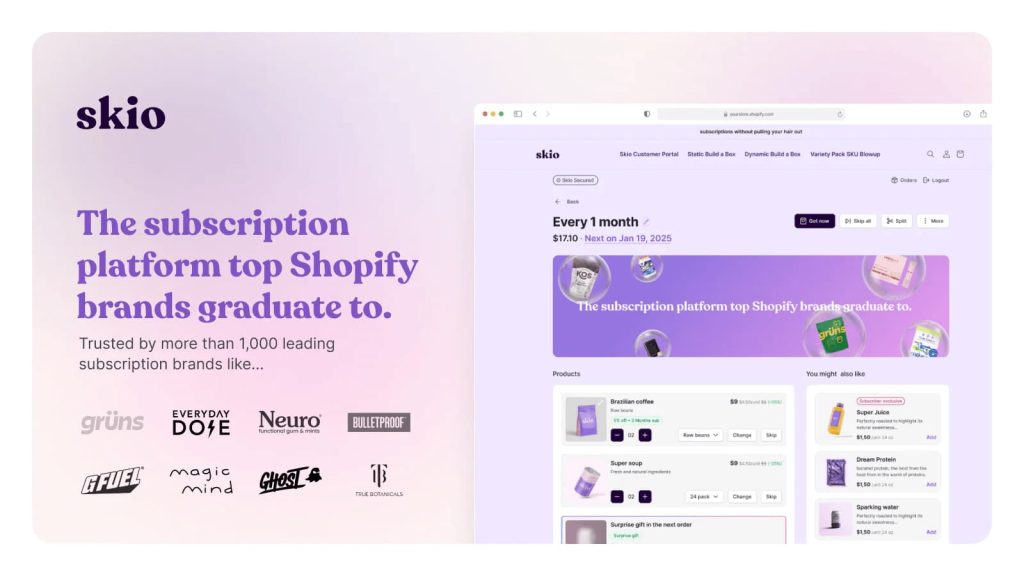
Apps like Recharge and Skio make it possible to manage subscriptions on Shopify.
Even a simple “members club” with recurring benefits can increase retention and create predictable revenue.
6. Build a Community Around Your Brand
Apparel brands thrive on identity and belonging.
Customers are not just buying clothes. They are buying into a lifestyle.
You can build this through:
- Private groups for loyal customers
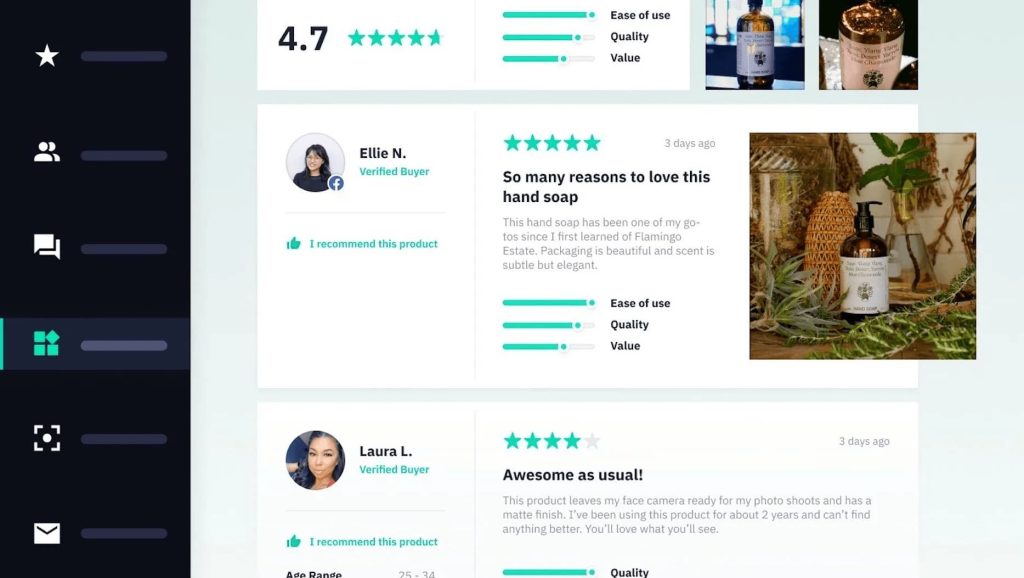
- Encouraging user-generated content and product reviews
- Featuring customer outfits on your site and social channels
For example:
- Customers who post their outfits can earn rewards or be featured.
Tools like Okendo and Yotpo help collect and display this content on product pages, increasing both trust and engagement.
A strong community makes customers feel connected, which increases loyalty over time.
7. Turn Customer Support Into a Loyalty Driver
Customer support is one of the most underestimated retention tools.
In apparel, common issues include sizing, returns, and damaged items.
How you handle these moments matters.
For example:
- A customer receives the wrong size
- You respond quickly and send a replacement
- You include a small discount for their next order
This transforms a negative experience into a positive one.
Using tools like Gorgias or Zendesk, you can centralize support and respond faster across channels.
Great support does not just fix problems. It builds trust.
8. Use Behavioral Retargeting Instead of Generic Ads
Not all customers should see the same ads.
Behavior-based retargeting allows you to show more relevant messages.
For example:
- Someone who viewed hoodies sees hoodie ads
- A past buyer sees complementary products
- A loyal customer sees exclusive offers
Using advertising platforms like Meta Ads and Google Ads, combined with analytics tools like Triple Whale, you can track and optimize these campaigns.
The more relevant your ads, the more likely customers are to return.
9. Create VIP Experiences for Your Best Customers
Your top customers are your most valuable asset.
In most apparel stores, a small percentage of customers generates a large portion of revenue. These are the shoppers who buy frequently, engage with your brand, and are most likely to refer others.
Instead of treating all customers the same, you should create exclusive experiences that make your best customers feel recognized and rewarded.
For example:
- Early access to new collections or limited drops
- VIP-only discounts or bundles
- Surprise gifts included in orders
- Access to private sales or collections
This is where having a structured VIP system becomes powerful.
With Akohub, you can build VIP tiers directly into your loyalty program. Customers can move up tiers based on their activity, such as total spend, number of purchases, or engagement.
For an apparel store, this could look like:
- Entry tier: Earn points and basic rewards
- Mid tier: Early access to new drops
- VIP tier: Exclusive products, higher rewards, and special perks
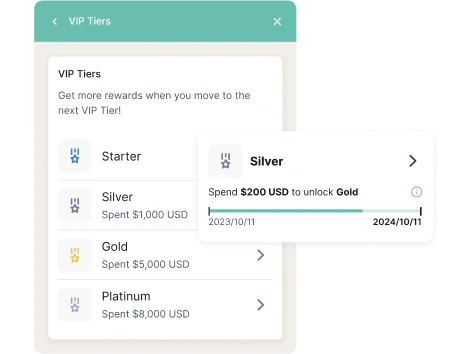
The advantage of using Akohub is that it combines VIP tiers with customer behavior insights. This means you are not just assigning tiers statically, but continuously optimizing rewards based on how customers interact with your store.
When customers feel like they are part of an exclusive group, they are far more likely to stay loyal and continue purchasing.
10. Track Retention Metrics and Optimize Continuously
Retention is not something you set and forget.
You need to monitor performance and improve over time.
Key metrics for apparel stores include:
- Repeat purchase rate
- Customer lifetime value
- Time between purchases
- Churn rate
For example:
- If most customers reorder every 50 days, you can send targeted campaigns around day 40 to bring them back.
Tools like Triple Whale and Lifetimely help track these metrics and provide actionable insights.
Small improvements in these numbers can lead to significant long-term growth.
Final Thoughts
In 2026, successful Shopify apparel brands are not just focused on selling products. They are focused on building relationships.
By combining:
- Loyalty programs powered by Akohub
- Lifecycle automation with Retainful
- Data-driven insights and personalization
You create a system where customers keep coming back naturally.
Retention is what turns a good store into a great brand.