You know the feeling, you open an email, and it’s like the sender read your mind. The subject line hits the mood you’re in, the recommendation makes sense, and there’s one obvious thing to do next. That’s the magic behind Netflix-style email marketing.
Netflix doesn’t win by blasting more messages. They win by sending fewer, smarter emails that match what you just did, or what you’re likely to do next. It’s part helpful reminder, part good concierge, part “you’ll like this.”
You don’t need Netflix-level data to copy the approach. You need a simple system: track a few behaviors, write a few triggers, keep the design clean, and keep improving one email at a time.
Use Netflix-style personalization and timing to drive clicks and recover more sales.
What makes Netflix emails work (and what to copy)
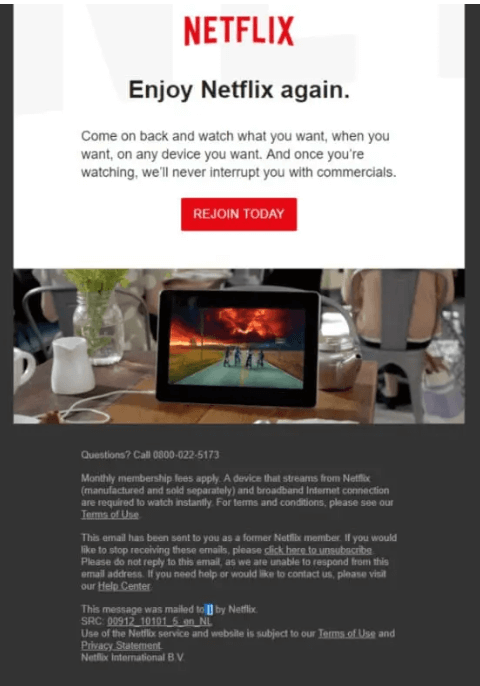
Netflix emails are built around one idea: relevance wins. Every message feels tied to a real moment, not the company’s content calendar.
Here are the repeat moves worth copying:
1) Behavior-based triggers
Netflix reacts to what you do, not what they want to announce. If you stop halfway through a show, you might get “Continue Watching.” If you finish a season, you might get a “Next up” suggestion. The email feels timely because it is.
2) Clear recommendations, not a catalog dump
Instead of listing everything, Netflix curates. It shows a tight set of picks that match your taste. That reduces choice overload and makes clicking feel easy.
There’s also a practical reason Netflix invests in this. Research and reporting around Netflix email campaigns in 2025 points to discovery as a major outcome, with 60%+ of subscribers discovering new content through personalized emails. Discovery leads to usage, and usage supports retention.
Related reading: 10 Best Discount Email Templates + Examples
3) One obvious next step
Most Netflix emails have one job. Watch this. Continue that. See what’s trending. The layout supports the job with a strong image, short copy, and a single button.
What to learn from Netflix to adapt to your e-commerce business
1. Personalization is key
Netflix thrives on personalization. Their email campaigns often feature tailored recommendations based on user preferences and viewing history. Imagine opening your email to find handpicked products that align perfectly with your likes and previous purchases.
If you run a clothing store, segment your email list based on customer behavior. For instance, if someone frequently buys sportswear, send them emails featuring the latest athleisure trends or new arrivals in that category. By making your emails feel personal, you’re more likely to engage your audience and drive sales.
2. Use data to anticipate needs
Netflix uses analytics to determine what content will resonate with viewers. By analyzing data, they can craft campaigns that hit just the right emotional chords. In the e-commerce world, data analysis can play a similar role.
If you notice a spike in searches for eco-friendly products, send a newsletter focusing on sustainable options in your inventory. Highlighting trending items can create urgency and encourage customers to act quickly, similar to how Netflix might promote a new season of a popular series.
3. Storytelling that engages
Each Netflix email tells a story, whether it’s about binge-worthy new releases or celebrating viewer milestones. This storytelling approach can be adapted by brands in e-commerce to create a narrative around their products.
Consider sending a series of emails that follows the journey of a product—like a behind-the-scenes look at how your handmade jewelry is crafted. Each email can build anticipation, similar to a season finale that leaves viewers clamoring for the next episode. Creating a narrative helps forge a connection between your brand and customers, making them more likely to engage.
Build emails that feel like Netflix recommendations and drive more clicks with Retainful.
4. Seasonal campaigns with a twist
Some of Netflix’s most effective campaigns rely on holiday or seasonal themes, such as Halloween or summer blockbusters. E-commerce stores, too, can capitalize on the calendar to create exciting marketing campaigns.
If you own a home decor store, how about a ‘12 Days of Decorating’ email series? Each day could unveil a new holiday-themed product, offering exclusive discounts or tips for sprucing up a space for the season. Just like Netflix drops new episodes, you can create a sense of excitement and anticipation among your subscribers.
5. Experiment with formats
One of the coolest things about Netflix emails is the variety in format—they often employ visuals, animations, and vibrant designs. As an e-commerce store, it’s important to think outside the box and experiment with different email layouts.
Instead of traditional static images in your emails, try video snippets showcasing your products in action. If you sell kitchen gadgets, a quick recipe demo can capture attention and highlight the usefulness of the products you’re selling. This approach not only entertains but also adds value, making your emails more shareable.
6. Encourage user-generated content
Netflix frequently incorporates user feedback into their campaigns, showcasing viewer reviews and recommendations. This creates a sense of community and engagement.
You could encourage customers to share photos of themselves using your products on social media, then feature these images in your email campaigns. It not only validates your products but also fosters a sense of community, making customers feel valued and more likely to buy.
Build your Netflix-style email strategy in 7 simple steps
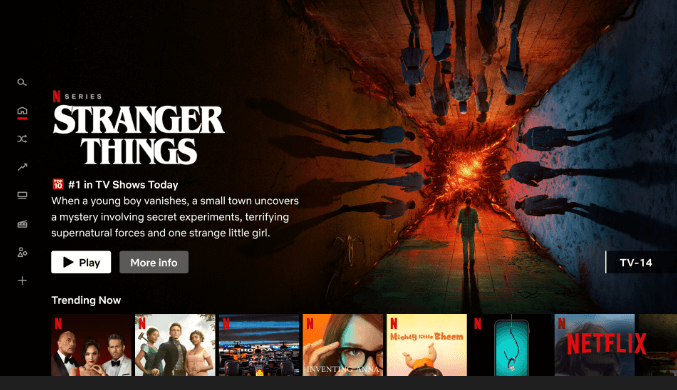
The goal is a small set of emails that run all the time, improving month by month. Start with one audience, one goal, and a handful of triggers.
Step 1: Pick one main goal.
Choose the outcome that pays the bills right now: retention, repeat purchase, trial-to-paid, or re-activation. If you pick three goals, your emails will read like a committee wrote them.
Step 2: Map the journey in plain stages.
Keep it simple enough to fit on a sticky note:
New
Active
Fading (less frequent use)
Gone (inactive or canceled)
Step 3: Track a few meaningful events.
Use first-party data, get consent, and start small. You don’t need a perfect data warehouse. Track what you can act on:
- Signup
- First key action (first purchase, first project, first lesson)
- Browse or view
- Add-to-cart or “saved”
- Purchase or upgrade
- Inactivity (no visit for X days)
If you can trigger emails from these events, you can act like Netflix.
Step 4: Create a few behavior segments (Netflix-inspired).
Keep the list short so you can maintain it:
- New user welcome: just signed up
- Active recommendations: frequent users or buyers
- Paused or unfinished action: abandoned cart, unfinished onboarding, incomplete lesson
- Trending or local picks: popular items, seasonal picks, regional bestsellers
- Inactive winback: no activity for 14 to 30 days
- Churned or canceled: canceled plan, lapsed subscription
Customize your restock alerts effortlessly using Retainful’s ready-to-use templates to land more sales.
Step 5: Write triggers that make a clear promise.
For each segment, define two things: the trigger and the payoff.
- Welcome trigger: signup; promise: “Here’s how to get value fast.”
- Unfinished trigger: stopped mid-flow; promise: “Pick up where you left off.”
- Active trigger: repeat behavior; promise: “Here are picks that match you.”
- Trending trigger: weekly update; promise: “What people like you are buying now.”
- Inactive trigger: X days idle; promise: “A reason to come back, fast.”
Timing matters. Netflix often catches people when they’re likely to watch, which commonly means evenings and weekends. For your brand, match the habit. Leisure products tend to do well after work. Work tools often do better early weekdays.
Add a frequency cap so helpful doesn’t turn into noise. A simple starting point: don’t send more than 2 marketing emails per week to the same person, unless they’re in onboarding.
Step 6: Write subject lines that sound like a recommendation.
Netflix-style subject lines are short, specific, and tied to the reader’s interest. Adapt the pattern:
- “Top picks for you” becomes “Picks in your style.”
- “Continue where you left off” becomes “Finish your setu.p”
- “Top 10 in your area” becomes “Best sellers near you.”
Keep the preview text from doing extra work. Treat it like the second line of a good book jacket.
Step 7: Run small tests and keep the winners.
Don’t test five things at once. Pick one variable per test: subject line, send time, hero image, or CTA text.
Watch metrics that reflect real behavior:
- Open rate (directional, not the final truth)
- Click rate
- Conversion (purchase, booking, upgrade)
- Re-activation (return to app, return to site)
- Unsubscribes (your early warning signal)
When something wins, roll it out, then test the next idea. That’s how “one good email” becomes a system.
Wrap up
Netflix wins because they treat emails like helpful recommendations, not loud announcements. Each message is tied to behavior; it’s easy to scan, and it points to one clear action.
Start small. Build two to three triggers you can ship this month: a welcome series, an abandoned action email, and a winback for inactive users. Then improve one piece at a time, subject line, timing, or CTA.
Pick one segment to build this week, then write the email like you’re helping a friend choose what to do next.
Tools like Retainful make this easier by letting you set up behavior-based triggers and personalized flows without overcomplicating the process — so your emails feel more like recommendations and less like promotions.
Also read:
- 30 Best email marketing examples that drive sales in 2025
- How to customize WooCommerce email? (default settings, code & plugins)
- 70+ Win-back Email Subject Lines for Boosted Open Rates
Frequently Asked Question
Netflix focuses on behavioral patterns, not personal assumptions. Instead of saying “We know you like XYZ”, they frame recommendations as “Because you watched…”. The strategy balances relevance with restraint — using data to guide content, not expose surveillance.
Timing is triggered by user intent, not calendar schedules. Netflix emails are sent when a user finishes a show, abandons browsing, or hasn’t watched in a while — proving that context beats frequency every time.
By rotating formats, not just content. Netflix alternates between recommendations, reminders, social proof, teasers, and “what’s new” narratives — so even frequent emails don’t feel like the same message in a new outfit.
Netflix sells continuation, not conversion. Their emails invite users back into a story — a new season, an unfinished series, or a trending narrative — making the click feel like entertainment, not a transaction.
Yes — by copying the thinking, not the tech. You don’t need Netflix’s data scale to:
– segment by behavior
– personalize by interest
– trigger emails by action
Netflix proves that relevance comes from attention, not budget.