Email marketing reliably outperforms every other digital marketing channel, delivering an estimated average ROI of $36–$40 for every $1 spent in ecommerce. If you’re running a Shopify or WooCommerce store in the healthcare space, you already know the strategies are different from fashion or electronics. You can’t simply follow “one-size-fits-all” ecommerce email tactics. Your audience is making decisions tied to trust, sensitivity, and personal well-being, which means every subject line, every automation, and every retention campaign must be crafted with credibility and precision.
That’s exactly why this guide exists. It’s built for healthcare ecommerce brands ready to move beyond “batch-and-blast” and toward strategies that actually convert without compromising compliance or buyer trust. Whether you’re selling supplements, medical devices, or wellness products, you’ll learn how to leverage segmentation, personalization, and lifecycle campaigns to grow sales and retain loyal customers. By the end, you’ll have a definitive guide to maximize email ROI while establishing lasting relationships in one of the most competitive and regulated ecommerce verticals.
Why Email Marketing is a Must for Healthcare E-commerce?
Healthcare ecommerce isn’t like selling gadgets or fashion. When someone plans to purchase skincare products, supplements, or medical supplies, they invest real effort into researching, comparing, and seeking accurate information. That buying process takes time, and email is uniquely suited to guide them through it, delivering the right message at exactly the right stage of their journey.
The real power of healthcare e-commerce email marketing lies in the repeat-purchase opportunity. Healthcare products such as supplements, skincare, and medical supplies naturally follow replenishment cycles, which makes email ideal for sending automated follow-ups, driving reorders, and maximizing customer lifetime value. Healthcare email open rates sit at around 41.23%, well above the cross-industry average of 30.7% clear evidence that healthcare audiences are receptive and actively engaged with email.
Build and Segment Your Healthcare Email List the Right Way
A big, unorganized list is almost as bad as no list. Because in healthcare ecommerce, quality and organization matter more than sheer volume.
Let’s dive deeper into these steps:
- List building: Start with double opt-in to ensure consent and build trust. This approach is especially important in health, as credibility matters most. Lead magnet ideas such as free health guides, symptom checkers, discount + education bundles, or quiz-based product finders like “discover your supplement routine” boost growth. These not only engage subscribers but also give you valuable self-selected data to segment later.
- Compliance: Simple but critical. Healthcare brands should use double opt-in, promptly respect unsubscribe requests, and avoid storing sensitive health information in their ESP.
- Segmentation: Once the list is ready, focus on segmentation that makes it more powerful. Studies have found that 78% of marketers say that segmentation is the single most effective email strategy.
For healthcare brands, practical segmentation can include:
- Product category purchased (supplements vs skincare vs medical supplies)
- Health interest or condition (self-selected via quiz or guide download)
- Purchase frequency (new vs repeat buyers)
- Buyer stage (researcher vs loyal customer)
Imagine a healthcare brand manufactures and sells protein powders and joint supplements. If they send the same emails to both target audiences, it is a big mistake. Because the requirements are completely different. The preference of a joint supplement buyer is ingredient science, clinical language, and reassurance about efficacy. Instead, protein powder buyers are concerned about taste, performance, and lifestyle benefits. Proper segmentation ensures each group receives messaging that connects, increasing engagement and conversions.
In other words, a well-segmented list can transform emails from a generic broadcast to a precise resource. In healthcare ecommerce, this means greater relevance, stronger trust, and more repeat purchases.
Types of Emails Every Healthcare Ecommerce Brand Should Send
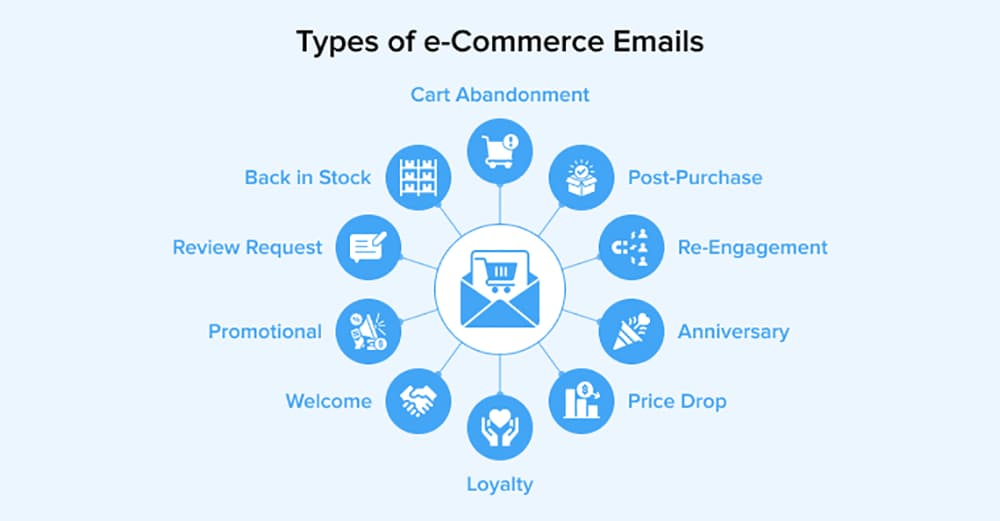
An effective healthcare ecommerce email strategy means not only sending promotional emails, but also developing a balanced mix that educates, reassures, and builds long‑term loyalty. Sending diverse types of emails assures that your prospects see your brand as a trusted health partner rather than an online store.
So, let’s explore types of emails healthcare ecommerce brands can send:
- Educational Emails: Educational content helps build long-term trust before sale. Think health tip roundups, ingredient explainers, or “how does X work?” guides. For example, a CBD brand might break down bioavailability so customers understand why tinctures absorb differently from gummies.
- Promotional Emails: It is highly recommended to focus on benefits rather than discounts or coupons. For example, instead of sending emails like “flat 30% off,” craft the message like “Feel more energized in 30 days.” Seasonal sales, bundle offers, or new product launches should always connect back to a health outcome.
- Transactional Emails: These types of emails are often overlooked, but they have the highest open rates of all email types. Transactional emails include order confirmation, shipping updates, or usage instructions. For example, a supplement brand could include a dosage guide in the confirmation note or suggest a complementary product in the shipping update.
- Retention Emails: Keeping the target audience engaged is a challenge in healthcare because routines matter most. That’s the reason refill reminders for vitamins, loyalty program updates, or review requests show you understand their habits. For example, any probiotic brand can send an alert at the 25-day mark, as most bottles run out in 30 days.
- Newsletter Emails: A softer touch that keeps your brand top‑of‑mind without always selling. Monthly health roundups, behind‑the‑scenes brand stories, or community spotlights help humanize your business. A skincare brand could spotlight a customer success story alongside a dermatologist’s seasonal skincare tips.
- Survey & Feedback Emails: These types of emails invite shoppers to share their experiences, recommendations, or future preferences, helping health and wellness brands refine existing products. Suppose a supplement company sends a survey link asking how customers feel after 1 month of service or how they can improve. It not only helps provide quality services but also builds lasting relationships with customers.
- Seasonal Health Campaign Emails: Timed around health awareness months, seasonal health campaign emails connect health or wellness products to a range of wellness themes. For example, during “Heart Health Month,” a healthcare brand may share healthy lifestyle tips, cardiovascular supplements, or offer a limited‑time bundle. Similarly, immunity-boosting supplements that demonstrate proactive care can be shared as a flu-season reminder.
Together, these all email types form a balanced mix that goes far beyond promotional blasts. By layering education, promotion, transaction, retention, and newsletter content, healthcare ecommerce brands can nurture trust, drive conversions, and build long‑term loyalty. This holistic approach ensures customers see you not just as a store, but as a partner in their health journey.
Email Automation Flows That Drive Revenue
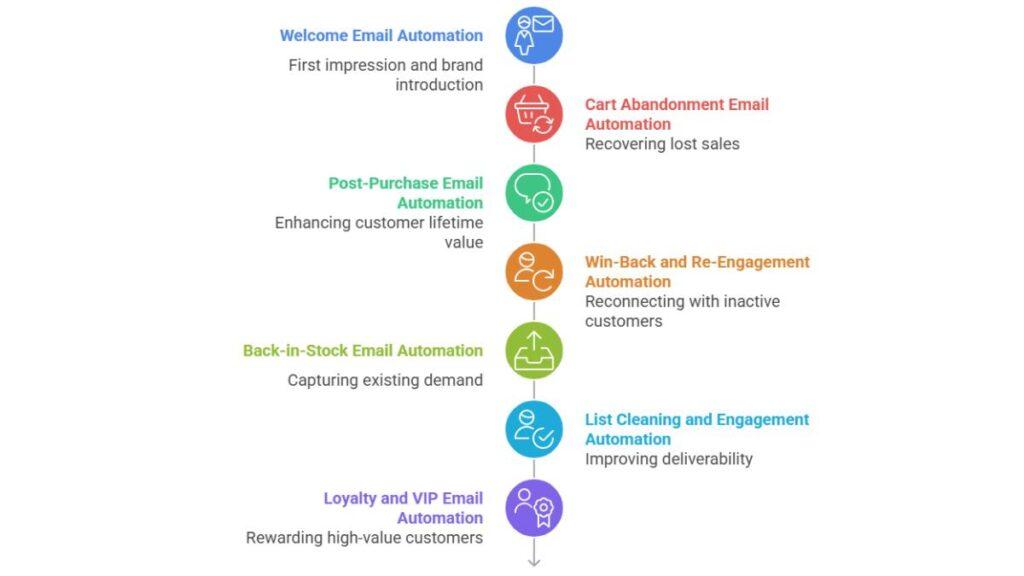
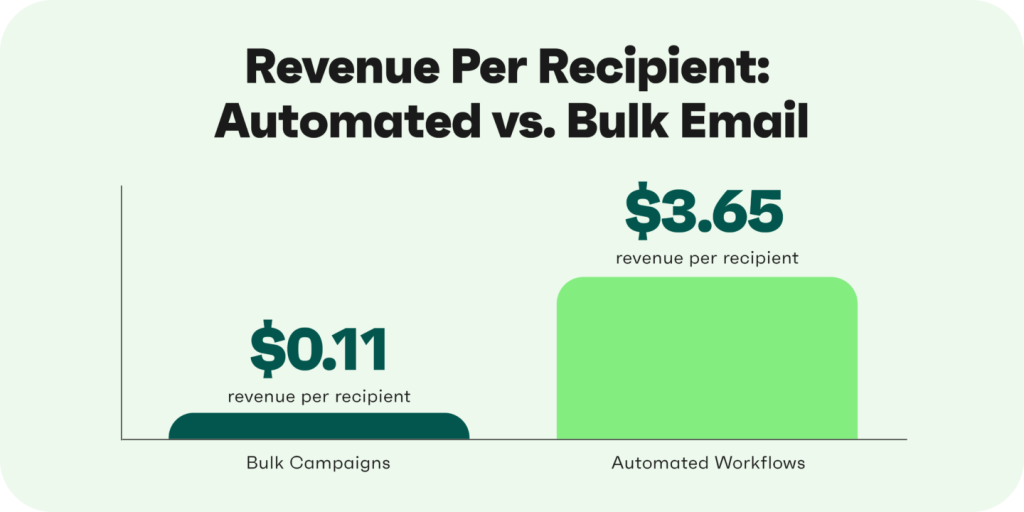
Automated email flows are considered a core revenue engine in healthcare ecommerce, as they consistently outperform manual campaigns. In fact, studies found that automated emails account for only 2% of total sends, yet they generate 30% of email revenue. It means each flow triggers the right moments.
These flows build trust among the target audience through health-focused personalized content and guide them through their purchasing journey.
- Welcome Series: A welcome email series starts when someone subscribes. Welcome emails make a first impression on new subscribers and set the tone for their journey with the brand. With an average earning of $2.65 per recipient, it’s one of the most profitable automations. If you are involved in any healthcare brand, the first email should introduce your mission and values; the second email should deliver educational content (e.g., ‘how our supplements are different’); and the third email should offer a gentle product introduction, with a soft call‑to‑action rather than a hard sell. To build familiarity, try to send 3-5 emails over 7-10 days, ensuring new subscribers receive a balanced mix of storytelling, education, and subtle promotion.
- Abandoned Cart Emails: An abandoned cart email is an automated message triggered when a shopper adds an item to their cart but doesn’t complete the purchase. These automated email messages re-engage shoppers with reminders to finalize their orders. With cart abandonment rates at 75.38% in 2025, these types of email sending become crucial. Many studies have found that almost 40% of shoppers who check the abandoned cart emails continue to complete the purchase. In healthcare e-commerce, trust signals are critical: certifications, clinical reviews, and money‑back guarantees reduce hesitation. Therefore, the first reminder should be sent within 1 hour of abandonment so that shoppers feel confident making an immediate decision.
- Post-Purchase Flow: The post-purchase flow reassures the customers, builds trust, and reduces churn. This sequence begins with order confirmation, then timely shipping updates that help customers stay informed about their current purchase. A usage guide is then delivered to them to ensure that they can properly use the healthcare products, such as supplements or medical devices, and lower the return chances. After 14 days, a review request is sent to customers to get helpful feedback and create social proof. Also, a refill reminder is sent between days 25–28 to support continuity and encourage repeat orders.
- Re-Engagement / Win-Back: Win-back emails help you to target those customers who haven’t purchased anything in the past 60-90 days. Instead of sending discounted coupons or offers, healthcare brands can send them emails like “How’s your health journey going?” that create more meaningful engagement. For example, any vitamin brand can highlight new clinical research on products previously ordered or suggest a customized bundle that aligns with the customer’s established routine. This approach again reflects genuine care for the recipients and encourages them to make repeat purchases.
- Educational Drip Campaign: The education drip campaigns are designed for the subscribers who haven’t yet converted into loyal customers. Rather than using a sales pitch, this sequence focuses on building credibility and trust. For instance, a sleep supplement company might frame a 5–7-email nurture sequence as “7 days to better sleep,” including strategies such as nutrition tips, bedtime routines, or relaxation techniques. The final message of this sequence may include the product offers in a natural, supportive way. By prioritizing values over sales, healthcare brands can build trust and position themselves as helpful guides, not just sellers.
Personalization and Subject Line Best Practices
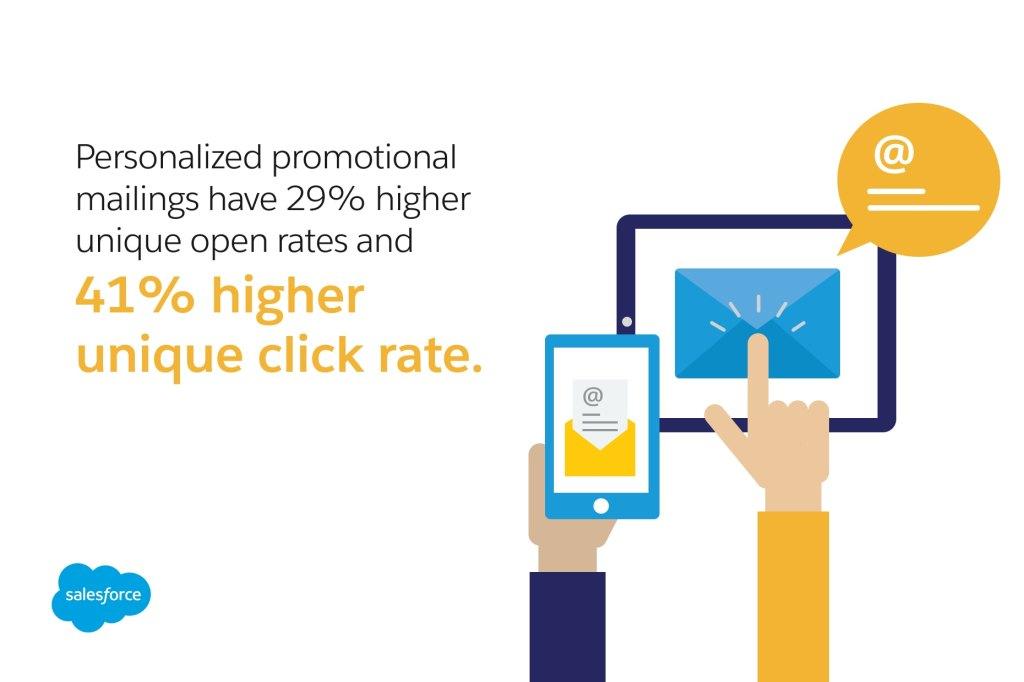
Moving beyond “batch and blast” is necessary for healthcare ecommerce brands. Because most studies have found that personalized emails steadily surpass generic one-size-fits-all campaigns. These emails achieve average open rates of 29% and click‑through rates of 41%.
Personalization in emails also goes far beyond using the first names. It contains stated health interests, previous purchase history, and lifecycle stage to deliver top-notch relevant content.
Dynamic Content Blocks enable you to tailor recommendations within a single template. For instance, customers who previously purchased sleep supplements could see sleep accessories, while protein buyers can be shown interests in complementary protein products. This level of segmentation guarantees every subscriber feels the email was designed for them.
Subject Lines for Health Brands entail careful attention. Don’t use overly clinical or alarmist wording, which can seem intrusive. Instead, focus on curiosity, benefits, personalization, or social proof. Examples include:
- “The sleep trick most people miss” (curiosity)
- “Wake up actually rested” (benefit led)
- “Your refill is almost due, Sarah” (personalized)
- “1,200 customers swear by this” (social proof)
Deliverability is equally important. Steer clear of spam trigger words common in health marketing, such as “cure,” “miracle,” or “lose weight fast.” Maintain a balanced image-to-text ratio and always include a plain-text version to ensure inbox placement.
By combining personalization with compelling, health appropriate subject lines, brands can increase engagement and establish lasting trust.
Measuring Success — Metrics and Optimization
Success in healthcare ecommerce email marketing comes down to tracking the right numbers and knowing how to act on them. Many store owners don’t know whether a 22% open rate is strong or needs work, referencing healthcare email benchmarks makes that comparison far more meaningful than cross-industry averages alone.
Here is a practical framework to measure performance and optimize your campaigns strategically.
| Metric | Benchmarks | Action if Low |
| Open Rate | 30.7% avg, 41.23% healthcare | Test subject lines, adjust send times |
| Click‑Through Rate | ~2% avg, aim for 3%+ | Refine CTA placement, strengthen offer relevance |
| Conversion Rate | 2.8% avg (B2C) | Simplify checkout, align product offer with intent |
| Unsubscribe Rate | Below 0.5% (red flag above) | Reduce frequency, improve targeting and content relevance |
Open rate is your first signal. If it’s below benchmark, subject lines and send timing are the levers to pull. Click‑through rate (CTR) reflects engagement; a weak CTR often means CTAs are buried, or the offer isn’t compelling. Conversion rate shows how many clicks turn into sales; if it’s low, streamline checkout and ensure the product aligns with customer intent. Unsubscribe rate is the red flag. Anything above 0.5% suggests your emails are too frequent or not relevant enough.
A powerful optimization tool here is A/B testing, which can increase ROI by up to 37%. In healthcare, test subject line tone (clinical vs conversational), send timing (morning vs evening), and CTA phrasing (“Shop now” vs “Find your solution”). Each test provides data to fine-tune your approach and move closer to benchmarks.
Ultimately, the best healthcare ecommerce brands treat email as a data‑driven channel. They don’t guess, they test, measure, improve, and repeat. By consistently watching these four metrics and acting on insights, you’ll transform email from a routine task into a reliable growth engine.
Conclusion
Email marketing done right is one of the most powerful growth levers available to healthcare ecommerce brands, but only when it’s built on a foundation of trust, relevance, and smart automation. The success of healthcare e-commerce depends on three major pillars: smart segmentation, automated email flows, and personalized messages.
Healthcare brands that master this mix achieve long-term, sustainable success and consistently outperform competitors who rely on generic blasts. By applying the strategies outlined in this guide, your healthcare ecommerce brand can transform email from a routine send into a reliable engine for growth, loyalty, and repeat revenue.